
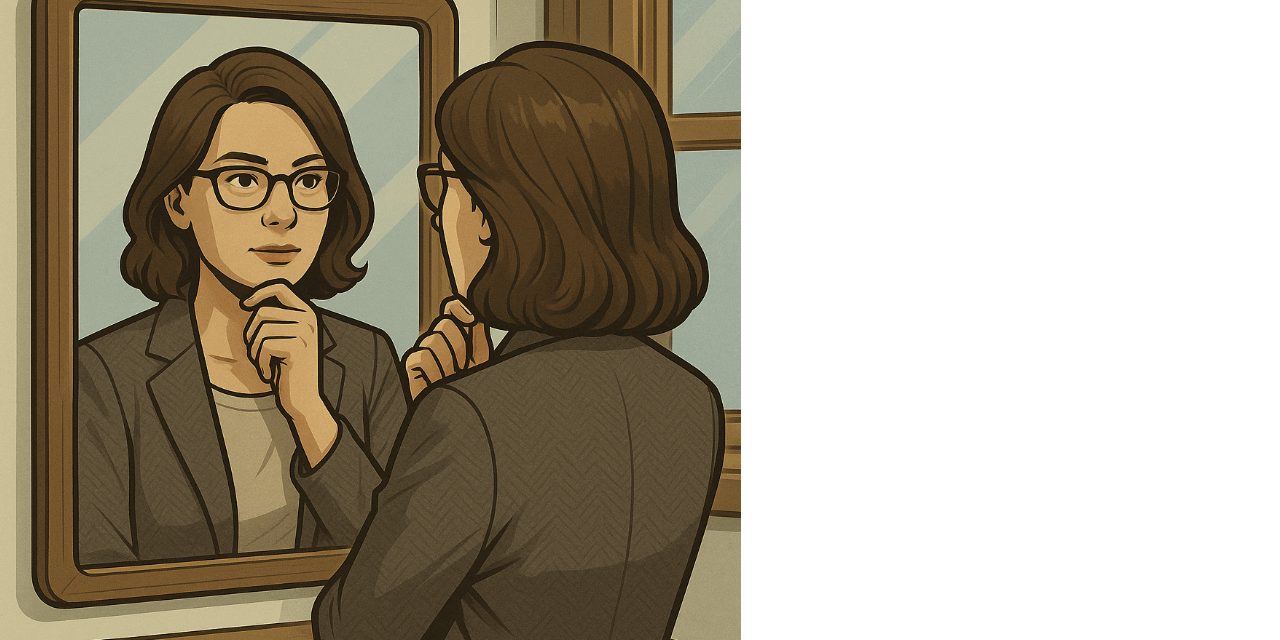
First of all, this question leads you astray. Following the principles of Lightning Fast Grant Writing, your approach should be to adopt a voice, authenticity, and mission alignment that is of the greatest possible advantage to your charity, given the nature of your most serious non-profit competitor.
Pretending you don’t have real-world competitors makes grant writing much more difficult. It makes it especially difficult to set a standard that allows you to measure the persuasiveness of your application.
While you can ask ChatGPT to write content that reflects your nonprofit’s existing voice, mission, and values, you may inadvertently prevent it from making a real difference in winning.
Unless you are part of an exceedingly successful charity, asking ChatGPT to produce more of the same old stuff that has been getting you into trouble is a recipe for disaster.
1. Provide a Voice Guide
Start by giving ChatGPT examples of your organization’s writing. This could be:
- Language from winning proposals
- Web content that reinforces the winning theme
- Impact reports that show off your work favorably in a niche that works for you.
- Avoid loading up documents that lack the winning these, such as generic documents like newsletters, and social media posts
Paste 1-2 high-quality samples of your winning message into the prompt and say:
“Please match this tone and writing style in future responses.”
Depending on the content of your winning theme, be sure to give ChatGPT tips like advantageous word choices. The optimal grant language has not changed. Make sure that you prompt it to write like you are in the middle of a hurricane. Insist that key statements are all backed up by evidence, especially the latest peer-reviewed studies.
2. Communicate Your Mission and Values
If your nonprofit has a mission statement, vision, values, or theory of change, include them in your prompt. However, be sure that all of these reflect the winning theme first. For example:
Do Not Say:
“Our mission is to provide trauma-informed care to survivors of domestic violence in rural communities. Please make sure all content reflects this focus and uses empowering, strengths-based language.”
Say:
“Our mission is to deliver trauma-informed care that demonstrates our experience in personally surviving domestic violence in the less-understood context of rural living.”
The aim should be to align your tone and content with whatever objectively makes your charity look better than your competitor. Don’t assume the model knows what it takes to beat your competition unless you spell it out.
3. Use Prompts That Set Expectations
Good writing starts with a good prompt. Be specific. Instead of saying:
“Write an introduction for a grant proposal.”
Try:
“Write an introduction to a grant proposal for a nonprofit that helps at-risk youth build job skills by employing a better solution which have been proven to improve outcomes better than existing conventional standards through art and entrepreneurship. Use a creative and impactful tone that reflects the documented superiority of your approach.”
The more detail you give, the more tailored the response.
4. Refine with Iteration
After you get a draft, treat it like a first draft that you created for yourself using voice recognition software. If something feels off—too generic, too formal, or not quite your voice—set it aside and look at it more carefully the next day. You may be surprised that what bothered you so much when you first saw ChatGPT’s approach doesn’t bother you at all the next day. You can write:
“This sounds too generic. Make it reflect our winning theme of personal experience.”
Or:
“This language doesn’t reflect what makes us a better choice than our competitor. Use language that calls attention to how even our weaknesses are better than their strengths.”
Just because you can iterate quickly with ChatGPT doesn’t mean you should. You won’t gain massive productivity increases if you use ChatGPT to simply spend more time rewriting and more time refining.
5. Build a Library of Reusable Prompts and Content
Once you find prompts and templates that work, save them. Over time, it becomes faster and easier to generate aligned content.
Bottom line:
Just as ChatGPT can accelerate high-quality, strategically profound copy, in the wrong hands, it can just as easily accelerate weak and inappropriate content, which actually makes your charity lose grant opportunities. Too often, the generic, conventional wisdom embedded in ChatGPT algorithms can make your grant application look like exactly what it is – an uncreative mishmash of existing mediocrity. Push yourself to do much more than that. Teach it your winning approach, clarify why you have the best solution, and guide it with precise prompts. Do that, and you won’t get generic content. You’ll get writing that sounds like it came from your team, because it reflects the message that advantages you the most.






 Lightning Fast Grant Writing