
A Second Field Test
Grant writing goes best when you are in a flow state, a stretch of high, self-confident decision-making combined with the powerful benefits of intuition. As such, I have always tried to maintain my grant writing office in a manner that supports minimal distractions, effortless momentum, and the ability to sit in the same spot for hours, but not noticing the passage of time.
I’ve also wondered what impact the scent of the office might have on my productivity, too. Last time out, I tested five scents: lemon grass, nutmeg, orange, spearmint, and eucalyptus.
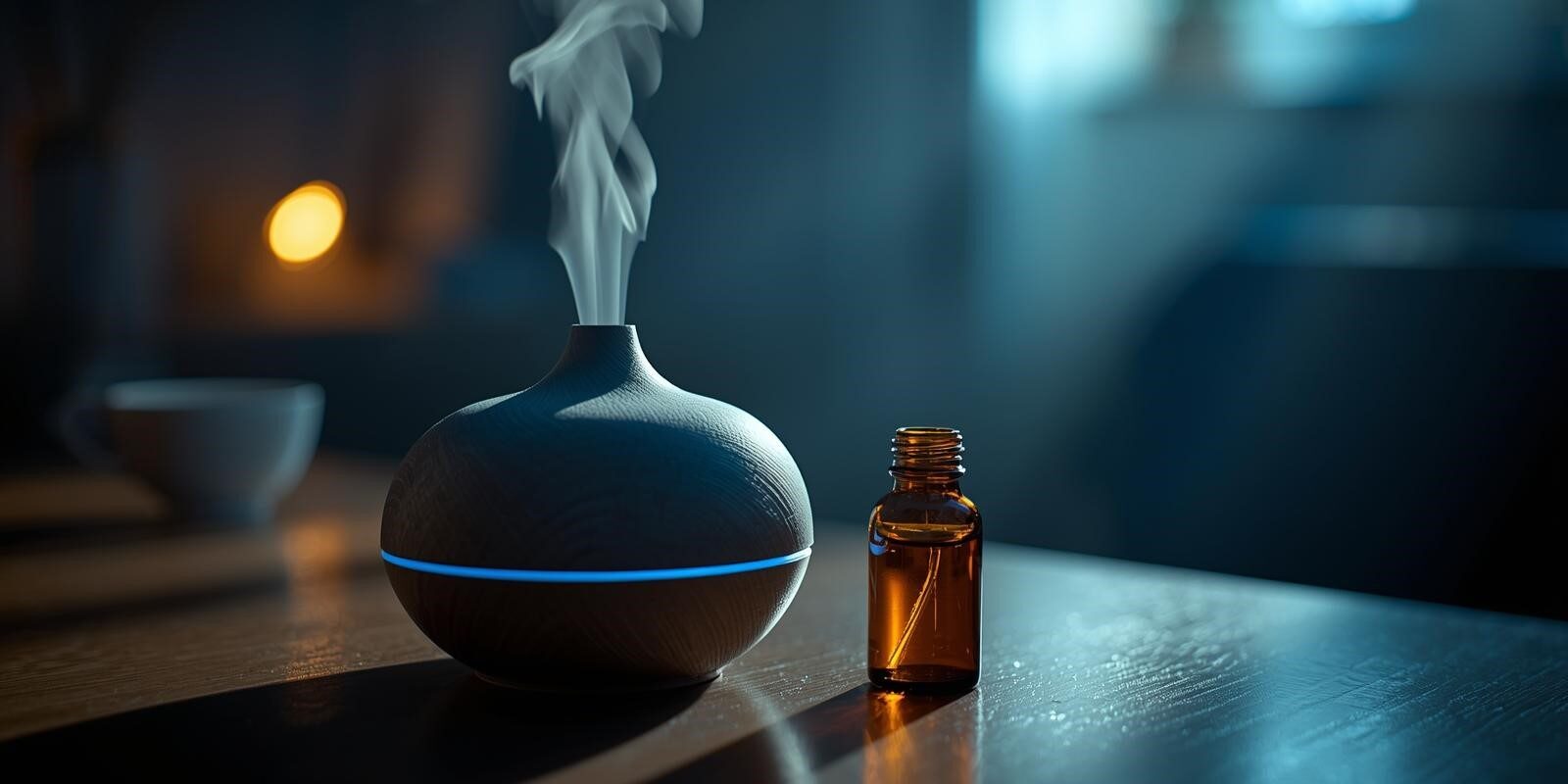
I have just completed a second, one-person experiment. Same setup. Same diffuser. Same rule: Did I get more real work done, or didn’t I?
This round included five familiar oils: peppermint, jasmine, lavender, tea tree, and clove.
Once again—no theory, no wellness claims. Just output.
Here’s what happened.
Peppermint: The Productivity Benchmark
Peppermint was a revelation—and not a subtle one.
On peppermint days, I tore through my task list. Twelve completed items in a single day. Calls, edits, rewrites, small administrative annoyances—gone. The scent was crisp, clean, and oddly cheerful, like candy canes without the sugar crash.
Peppermint didn’t distract me. It didn’t soothe me. It simply kept me moving.
This aligns neatly with the conventional wisdom: peppermint is associated with alertness and cognitive stamina. But more importantly, it passed the only test that matters—output increased dramatically.
If I had to pick one default scent for serious grant work, peppermint would be it.
Jasmine: Focus with a Soul
Jasmine remains my favorite scent—but now with evidence to back it up.
It produced a strong, productive day, though in a different register than peppermint. Where peppermint accelerates, jasmine steadies. I felt good while working. Calm, engaged, confident.
The smell carries layers: Earl Grey tea, flowers, and a memory of buying incense on an elementary school trip to Chinatown. Unlike food scents, that nostalgia didn’t derail me. It grounded me.
Jasmine doesn’t push urgency. It supports depth. For long narrative sections, conceptual framing, or work that benefits from emotional clarity. Jasmine is exceptional. I would use it even if it didn’t improve my productivity.
Lavender: Pleasant, But Too Sudsy
Lavender was a disappointment.
The scent was clean and harsh to my nose, unmistakably reminiscent of hand soap. Nothing about it created urgency or sharpened focus. If anything, it suggested tidiness rather than action.
This fits its reputation. Lavender is widely associated with relaxation and stress reduction—not decisive thinking. It might be helpful after work. During work, it felt ornamental. I kept fighting the urge to lather up my face and give it a nice close shave.
For competitive writing under a deadline, lavender is unacceptable.
Clove: The Holiday Trap
Clove smelled like baked ham.
That’s not a metaphor. It smelled like Christmas dinner. Every time I caught it in the air, my brain shifted into “it’s time to eat” mode.
While clove is often described as “warming” or “stimulating,” the association with food and ritual proved fatal to focus. My attention wandered. The work slowed. The mood turned anticipatory instead of directed. I felt like I needed to take action by turning down the heat of the oven.
Like orange in the first experiment, clove dissolves urgency. It belongs in a kitchen or a memory—not in a grant cockpit.
Tea Tree: Industrial Repellent
Tea tree was unbearable.
It smelled exactly like Pine-Sol—the same Pine-Sol I used to clean a butcher shop when I was in middle school. That association hit instantly and violently. The scent wasn’t merely distracting; it was actively hostile.
Tea tree is prized for its antimicrobial properties, but as a working scent, it fails completely. It evokes cleaning, outdoor toilets, and summer camp—not thinking, not writing.
I didn’t finish the day. I tossed the bottle. No further testing required.
The Verdict
If you’re doing serious grant writing—and are implausibly similar to me—here’s the clear ranking:
Best overall: Peppermint (speed, clarity, execution)
Best for deep work: Jasmine (focus with emotional stability)
Skip: Lavender
Skip: Clove
Never again: Tea Tree
Across both experiments, a pattern is emerging:
- Mints increase execution
- Florals support sustained focus
- Food scents sabotage urgency
- Cleaning scents trigger resistance
Grant writing is all about flow. It’s about reducing friction between intention and action. Sometimes that friction lives in your head. Sometimes it’s in the air.
Either way, it’s worth controlling.


 Lightning Fast Grant Writing