
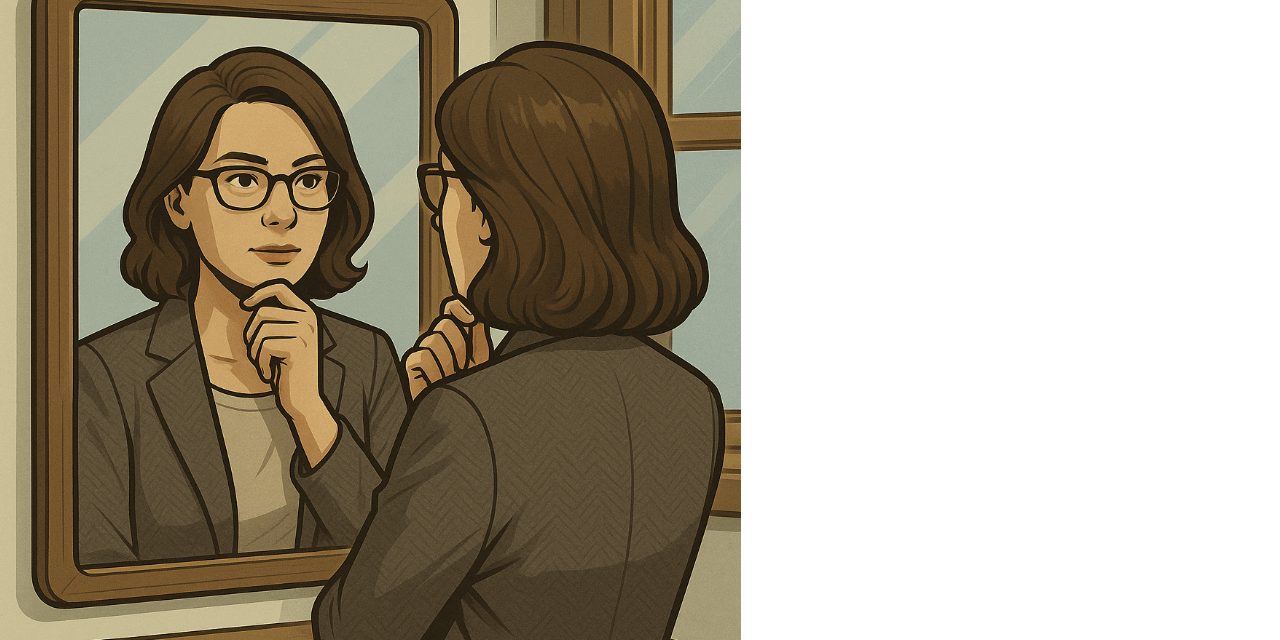
I’m startled by the level of doom-mongering associated with ChatGPT. My brother worries I’m just encouraging artificial intelligence by using it. An approach that will probably have deadly consequences in the next 50 years. He worked with NASA. How can I argue with that? Another dear friend that I deeply admire is an attorney who makes fun of other attorneys who use ChatGPT.
College professors seem to regard it as cheating, even when they use it themselves to create lesson plans and quizzes. Students are virtually all using it right now, but pretending that they don’t. I say get over it. You are responsible for the quality of the final result. Getting assistance from ChatGPT is no different than getting help from your wife, a friend, a colleague, or a trusted librarian.
I have no qualms about using ChatGPT as a grant writer seeking to save time and boost productivity, but it’s smart to ask: What are the risks? The answer is: Yes, there are real legal, ethical, and practical concerns—but they can be managed if you apply common sense. Here’s what to watch for and how to protect your organization, your funders, and your reputation.
1. Confidentiality and Privacy Risks
Risk:
If you input sensitive data, such as client names, personal stories, health information, or proprietary financials, into ChatGPT, you could potentially (definitely will) breach confidentiality or data protection standards. So, don’t be stupid. If you’re working under HIPAA or similar standards, never input protected health information (PHI). Got it?
Solution:
Don’t share private, identifiable information. Instead, summarize:
- Use aggregate data (“we served 412 clients in 2024”)
- Avoid full names or case files
- Remove internal documents before pasting in
2. Funder Guidelines and Originality Requirements
Risk:
Some funders explicitly require that proposals be the applicant’s “original work.” Submitting AI-generated content without review could violate this and even disqualify your application.
Solution:
Use ChatGPT to draft, not submit. Human review, edits, and customization are essential. If asked, you must be able to say, “This proposal reflects our team’s ideas and priorities,” because it should. Always read the funder’s RFP or submission rules. If originality or authorship is mentioned, be cautious and transparent.
Tip:
One way to make it look like you are not using ChatGPT is to insert errors. That is to add misspelled words, grammatical mistakes, and incorrect punctuation. Not enough to make you look sloppy, but enough to convince a well-meaning reader that you are the human heart behind the completed document.
Some students recommend that you rinse your draft by running it through other artificial intelligence tools. For now, this seems to be working okay.
I think all this fear is both temporary and completely unmeritorious. As long as I can unplug a computer, it is not going to be launching nuclear strikes. In the future, we will teach elementary school children to use ChatGPT the way they used to teach us to write in cursive. Don’t let you or your kids miss out on this amazing productivity growth.
Accuracy and Source Validity
Risk:
ChatGPT may “hallucinate” facts or create professional-sounding content that isn’t backed by real data. That could mislead funders or harm your credibility.
Solution:
Double-check every stat, citation, and claim. Use ChatGPT for structure and style—but plug in your verified numbers and evidence. Ask ChatGPT to flag any assumptions or placeholders so you know what to review. This is no different than writing the grants the old-fashioned way. Even as a subject matter expert, I had to verify numbers and evidence. Don’t skip this step. It is not punishment, it is reality.
4. Loss of Voice or Authenticity
Risk:
Relying too heavily on AI can create proposals that sound generic or inconsistent with your organization’s tone and mission, which funders can detect.
Solution:
It seems plausible that you can fix this by giving ChatGPT examples of your past writing or brand voice. However, the danger here is that the stuff you are locking in is not your best work to begin with. Give ChatGPT some room to breathe and learn from its positive example. A little humility about the quality of your writing is in order if you are to grow as a grant writer.
5. Internal Dependence or Skill Loss
Risk:
Teams may become over-reliant on ChatGPT and lose touch with essential skills like storytelling, budgeting, or relationship-building with funders.
Solution:
Treat ChatGPT as an accelerator, not a replacement. Keep your team’s grant writing knowledge active through reviews, learning, and real collaboration.
Bottom Line:
ChatGPT is powerful—but it’s not risk-free. Avoid breaches of confidentiality. Don’t submit AI content unedited. Double-check facts. Protect your voice. When used responsibly, ChatGPT becomes a valuable partner in the grant process, not a liability.